

Fall Yard Work Safety Tips and Chiropractic Care at Lunt Chiropractic
Lunt Chiropractic: Specialized Chiropractic Adjustments for Injuries and Strains
At Lunt Chiropractic, we focus on providing tailored chiropractic adjustments specifically designed to address various injuries and strains, with an emphasis on restoring proper alignment and function to the musculoskeletal system.
Benefits of Chiropractic Adjustments at Lunt Chiropractic
Pain Relief: Our adjustments are effective in alleviating pain associated with injuries, strains, and other musculoskeletal issues.
Improved Mobility: By realigning the spine and joints, we enhance your range of motion and flexibility.
Reduced Inflammation: Our chiropractic care aims to decrease inflammation in affected areas, promoting faster healing.
Enhanced Recovery: Regular adjustments support the body’s natural healing processes, aiding recovery from injuries.
Preventative Care: We help maintain proper alignment and function to prevent future injuries.
Common Injuries Treated at Lunt Chiropractic
Sprains and Strains: We address muscle and ligament strains effectively, helping to reduce pain and restore function.
Whiplash: Often resulting from car accidents, our adjustments can alleviate neck pain and stiffness associated with whiplash.
Sports Injuries: Our team treats various sports-related injuries, including tendonitis and joint pain, through targeted adjustments.
Back and Neck Injuries: Conditions such as herniated discs and sciatica are effectively managed with our specialized chiropractic care.
What to Expect During Your Visit to Lunt Chiropractic
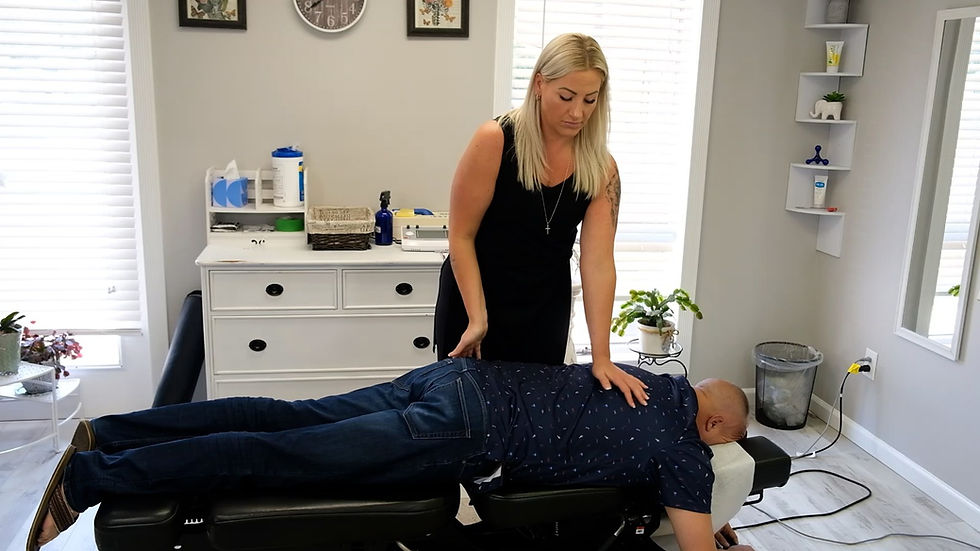
During your chiropractic adjustment for injuries and strains at Lunt Chiropractic, you can expect the following:
A thorough assessment including a review of your medical history and a comprehensive physical examination by our experienced chiropractors.
Specific adjustments will be performed to realign the spine and affected joints, utilizing controlled force to improve mobility and reduce pain.
Post-adjustment, we may recommend personalized exercises or stretches to support your recovery and prevent future injuries.
Chiropractic adjustments at Lunt Chiropractic play a vital role in the recovery process for injuries and strains, promoting healing and enhancing your overall well-being.
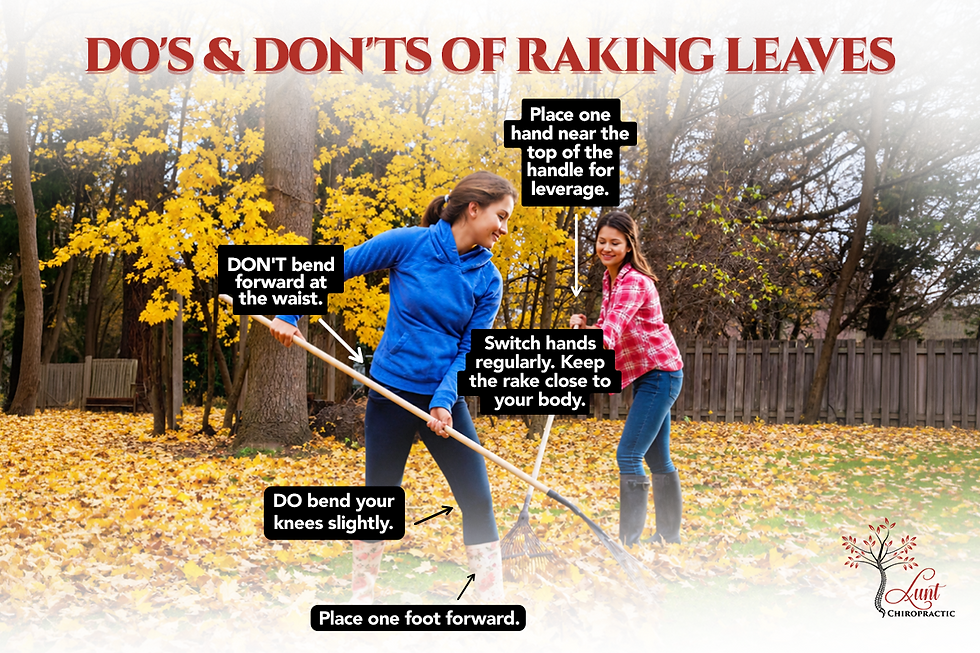
Fall yard work is exercise. It involves twisting, bending, reaching, carrying, and repeating the same motion for hours. A few smart habits can lower the chance of strain and help the body recover better afterward. Chiropractic care at Lunt Chiropractic can also support healthy movement when stiffness, soreness, or recurring aches start getting in the way.
Treat yard work like a workout
Most people would not start a workout with heavy lifting and twisting, but that is often how yard cleanup begins. The body needs a few minutes to warm up before harder tasks.
Start with 5 to 10 minutes of easy movement. Walk around the yard, circle the shoulders, gently rotate the trunk, and stretch the calves and hips. The goal is not a deep stretch. The goal is to get blood moving and make joints feel less stiff.
Pace matters too. Yard work often becomes a race against daylight, weather, or the next trash pickup. That is when form breaks down. Instead of pushing through several hours without stopping, split the work into blocks.
A simple rhythm works well:
Work for 20 to 30 minutes.
Take a short water break.
Switch to a different task.
Stop before fatigue changes your posture.
Task rotation helps because raking, lifting, pruning, and sweeping use the body in different ways. Repeating one motion for too long can irritate muscles and joints, especially in the low back, neck, and shoulders.
Use safer body mechanics for common fall chores
Good technique does not make yard work effortless, but it can reduce strain. The biggest rule is simple: keep the work close to the body whenever possible.
When raking leaves, stand upright and use shorter strokes. Avoid planting the feet and twisting hard through the spine. Step with the rake instead. Switch sides often so one shoulder and one side of the low back do not do all the work.
When lifting leaf bags, soil, mulch, or planters, get close before lifting. Bend at the knees and hips, tighten the core gently, and lift with the legs. If a bag is heavy or awkward, split it into smaller loads. A few extra trips are better than one risky lift.
When carrying items, hold them near the torso. Carrying a heavy bag away from the body increases the demand on the low back. For larger loads, use a wheelbarrow, tarp, or yard cart.
Gutter cleaning and tree trimming add another risk because they involve reaching. Overreaching can strain the shoulders, neck, and mid-back. Move the ladder or step stool often so the work stays directly in front of the body. Keep three points of contact on the ladder, and avoid leaning far to one side.

Choose tools that reduce strain
The right tool can make a noticeable difference. Yard tools should fit the person using them, not force awkward posture.
A rake with a comfortable handle length can help keep the back more upright. Padded gloves reduce hand irritation and improve grip. A lightweight leaf blower may help some people avoid long periods of raking, though it still requires posture awareness.
Look for tools that limit bending and twisting:
Adjustable rakes and trimmers
Kneeling pads for garden beds
Long-handled weeders
Yard carts or wheelbarrows
Tarps for dragging leaves in smaller piles
Shoes matter too. Wet leaves can be slick, and uneven ground can challenge balance. Wear supportive shoes with good traction. Save loose sandals and worn-out sneakers for another day.
Cold weather can also make muscles feel tighter. Dressing in layers helps the body stay warm without overheating. If hands get cold, grip strength can drop, making tools harder to control.
Know when soreness is more than normal
Mild soreness after yard work can happen, especially after the first big cleanup of the season. It usually feels like general muscle fatigue and improves with rest, light movement, hydration, and time.
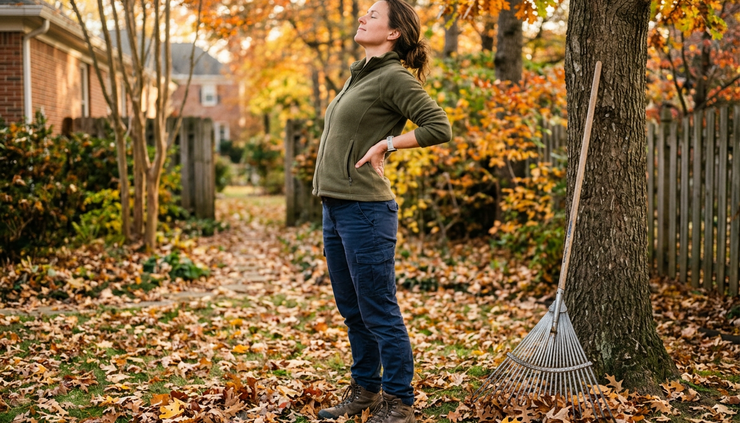
Pain that feels sharp, spreads down the arm or leg, causes numbness or tingling, or gets worse instead of better deserves attention. Seek urgent medical care after a serious fall, new weakness, loss of bladder or bowel control, chest pain, or severe symptoms that do not feel like normal muscle soreness.
For many people, aches after yard work come from irritated joints, tight muscles, or movement patterns that overload one area. That is where an evaluation can be useful. A chiropractor can assess how the spine, hips, shoulders, and surrounding muscles are moving and discuss care options based on the findings.
How Lunt Chiropractic can help after fall cleanup
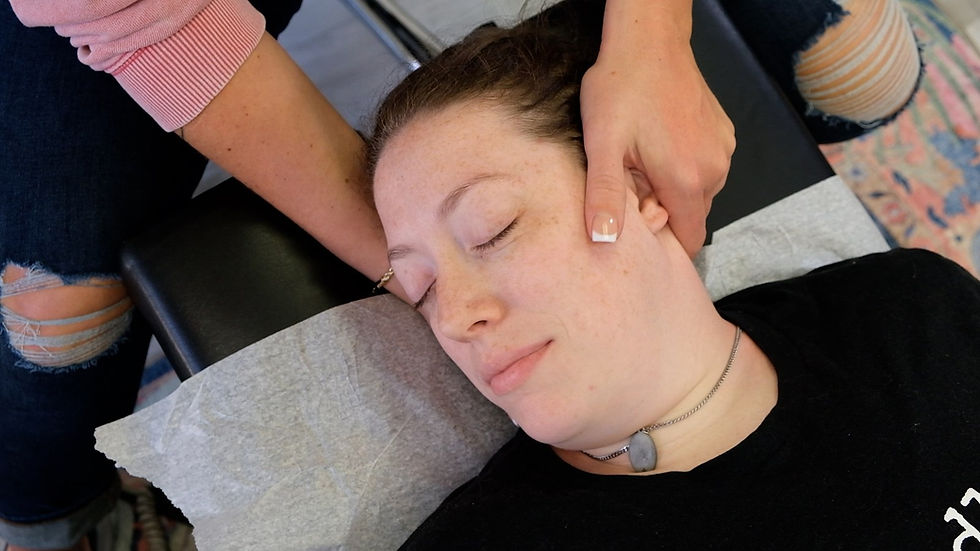
Chiropractic care focuses on the musculoskeletal system, including the spine, joints, muscles, and nervous system. At Lunt Chiropractic, care may include a consultation, movement assessment, chiropractic adjustments when appropriate, soft tissue work, stretching guidance, and practical advice for daily activities.
The goal is to help improve comfort and movement, not just get through one painful week. If fall yard work keeps triggering the same stiff neck, tight low back, or sore shoulder, it may be a sign that the body needs better mobility, strength, or mechanics.
A visit may help answer questions such as:
Why does raking always bother one side of the back?
Is lifting technique part of the problem?
Are tight hips contributing to low back strain?
What should be avoided while symptoms calm down?
Which stretches or movements make sense at home?
Care should always match the person. Some people need short-term help after overdoing it. Others benefit from periodic checkups during busy seasons when yard work, holiday prep, travel, and colder weather all stack up.
Make fall cleanup easier on your body
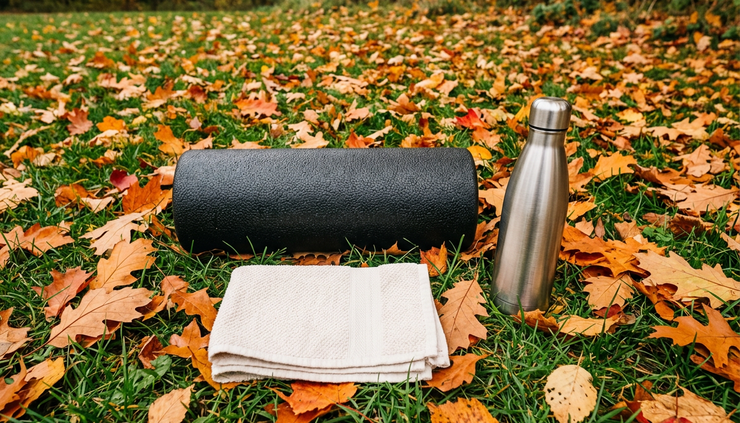
The safest yard work plan is the one that respects limits before pain forces a stop. Warm up first. Change tasks often. Lift smaller loads. Keep tools close. Use carts, tarps, and long-handled tools when they make the job easier. Cool down with a short walk and gentle stretching.
If soreness lingers, keeps returning, or affects normal movement, Lunt Chiropractic can help evaluate what may be contributing to the problem and discuss care options that fit your needs.
Fall yard work does not have to leave the body feeling worn out for days. With better habits and the right support, cleanup can get done while keeping the back, neck, and joints better protected.

Comments